Air cargo transportation involves transporting goods through an air transport system, typically commercial or charter airplanes. This mode of transportation is a crucial component of global trade, enabling the rapid delivery of time-sensitive, perishable, or high-value goods across vast distances. The flexibility and speed of air cargo transportation make it a preferred choice for industries ranging from pharmaceuticals to electronics, where fast delivery times can be critical to supply chain efficiency or the preservation of product quality.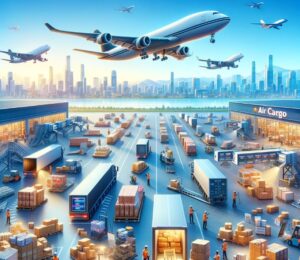
The air cargo industry operates through a complex network of airports, cargo airlines, freight forwarders, and logistics providers. These entities work together to ensure that goods are safely and efficiently transported from origin to destination. Air cargo can be shipped in the bellyhold of passenger flights or on dedicated freighter aircraft, specifically designed or converted for cargo transport.
One of the key advantages of air cargo transportation is its speed, which can significantly reduce transit times compared to sea or land transport. This is particularly valuable for industries relying on just-in-time manufacturing processes or delivering perishable goods, such as fresh food or flowers. However, this speed comes at a cost, as air freight is typically more expensive than other modes of transportation. This cost factor makes air cargo most suitable for goods with a high value-to-weight ratio. In addition to speed and cost considerations, air cargo transportation also offers high levels of security and the ability to reach remote or poorly accessible regions. This accessibility is vital for emergency relief efforts, where timely aid delivery can be lifesaving.
As global trade continues to expand and consumers increasingly demand faster delivery times, the role of air cargo transportation is expected to grow even further. Advances in aviation technology, improvements in cargo handling and tracking, and the development of more efficient and environmentally friendly aircraft are likely to enhance the competitiveness and sustainability of air cargo transportation in the years to come.
1.1 Benefits of Using Air Cargo Transportation
In an increasingly globalized economy, the importance of logistics and transportation cannot be overstated. Air cargo stands out for its unique advantages among the various modes of transport available. While it may not always be the most cost-effective option, its benefits make it indispensable for specific needs and industries. Air cargo transportation offers a range of benefits that make it a preferred choice for many businesses and individuals, including:
- Speed: The Quintessential Advantage
The foremost advantage of air cargo is its speed, which is unparalleled by any other form of transportation. This rapid transit capability allows for delivering goods across vast distances in a fraction of the time it would take by sea or land. The implications are profound, especially for industries reliant on the swift movement of goods. Perishable items such as fresh foods, flowers, and certain pharmaceuticals with a limited shelf life benefit immensely from the quick delivery times, preserving their value and usability. Furthermore, industries operating on tight schedules, such as automotive and technology sectors that employ just-in-time manufacturing processes, rely on the promptness of air freight to reduce inventory costs and enhance production efficiency. The speed of air cargo thus not only facilitates the timely delivery of goods but supports complex supply chain strategies, enabling businesses to remain competitive and responsive to market demands. - Reliability: Predictability in Logistics
The reliability of air cargo transportation is a cornerstone of its value proposition, particularly for businesses that operate on tight timelines or adhere to just-in-time (JIT) manufacturing principles. Airlines’ adherence to strict schedules ensures a level of predictability that is hard to find in other modes of transportation. This punctuality is critical for businesses to maintain lean inventory levels, as it reduces the necessity for large stockpiles of goods, lowering storage costs and minimizing the risk of inventory obsolescence.
For industries where production hinges on the timely arrival of components and materials, the reliability of air cargo can significantly minimize production delays. This is particularly true for the automotive and electronics industries, where assembly lines may depend on components worldwide. The ability to plan logistics with precision enhances overall supply chain efficiency, making air cargo a strategic choice for businesses aiming to optimize their production processes and maintain a competitive edge in fast-moving markets. - Global Reach: Connecting Distant Markets
Air cargo’s global reach is unparalleled, making the world accessible for business. Airports act as global trade hubs, bridging markets thousands of miles apart and connecting businesses to remote areas. This extensive network is a lifeline for businesses exploring new markets or source materials from distant locations. The ability to ship goods by air means that geographical barriers and lengthy transit times associated with sea or land transport are no longer significant obstacles.
This connectivity benefits small and medium-sized enterprises (SMEs) aiming to globalize. It allows them to compete on a global stage by accessing new customers and suppliers worldwide. For countries with limited access to global shipping lanes or landlocked ones, air cargo is essential to international trade, fostering economic development and integration into the global economy. -
Security: Safeguarding Valuable Goods
The stringent security measures at airports and throughout the air cargo supply chain are designed to protect shipments from theft, damage, or tampering. This high level of security is reassuring for shippers of high-value items such as electronics, pharmaceuticals, luxury goods, and sensitive documents. The controlled environment within which air cargo is handled minimizes the risks associated with long-distance transportation, ensuring that goods reach their destination safely.
This secure environment is not only about protecting physical goods but also about safeguarding intellectual property and ensuring compliance with international regulations, which is crucial for pharmaceuticals and technology products. For businesses, the security offered by air cargo transportation means less risk of financial loss, less need for insurance, and more confidence in their ability to deliver quality products. -
Reduced Packaging and Handling
Compared to sea or land transportation, the requirement for less packaging in air freight stems from the smoother handling processes and reduced exposure to harsh conditions. This translates into direct cost savings in materials and reduces the environmental impact associated with excess packaging. Furthermore, the minimized handling typical of air cargo reduces the likelihood of damage during transit, ensuring that products arrive in their intended condition. This aspect is crucial for fragile goods and precision instruments, where damage could significantly impact their value or usability. -
Efficiency: Beyond Speed
The operational efficiency of air cargo is a significant advantage, extending beyond the rapid transit times for which it is best known. The streamlined customs clearance procedures typical of air shipments mean that goods can be moved into and out of countries faster than other transportation modes, reducing delays and enhancing trade flow. Additionally, the reduced need for warehousing, thanks to air cargo’s speed and reliability, can significantly lower the logistics costs associated with stock management and storage. -
Tracking and Transparency:
The advanced tracking capabilities of modern air cargo services provide visibility and control that are indispensable for effective supply chain management. Real-time tracking allows businesses to monitor the progress of their shipments at every stage of the journey, providing valuable data that can be used to optimize logistics, manage inventory levels, and plan production schedules. This transparency is essential for managing customer expectations, particularly in industries where delivery times are critical. The ability to swiftly anticipate and respond to delays can make a significant difference in customer satisfaction and business performance. -
Economic Impact and Job Creation:
Beyond its logistical benefits, air cargo transportation has a significant positive impact on the global economy. It facilitates international trade, supports industries reliant on rapid delivery, and contributes to job creation directly within the air transport sector and indirectly through related industries such as manufacturing, retail, and logistics services. The economic activity generated by air cargo operations stimulates growth and development, underscoring the sector’s role as a key driver of economic prosperity.
While air cargo transportation may not be the most cost-effective option for every shipment, its benefits make it an essential component of modern logistics. The combination of speed, reliability, global reach, security, and efficiency it offers is unparalleled, making it the preferred choice for time-sensitive, valuable, or critical shipments. As global trade continues to evolve, the role of air cargo in connecting markets and supporting economic growth remains indisputable. Whether it’s delivering life-saving medical supplies or ensuring the timely arrival of high-tech components, air cargo plays a pivotal role in the smooth operation of the global supply chain.